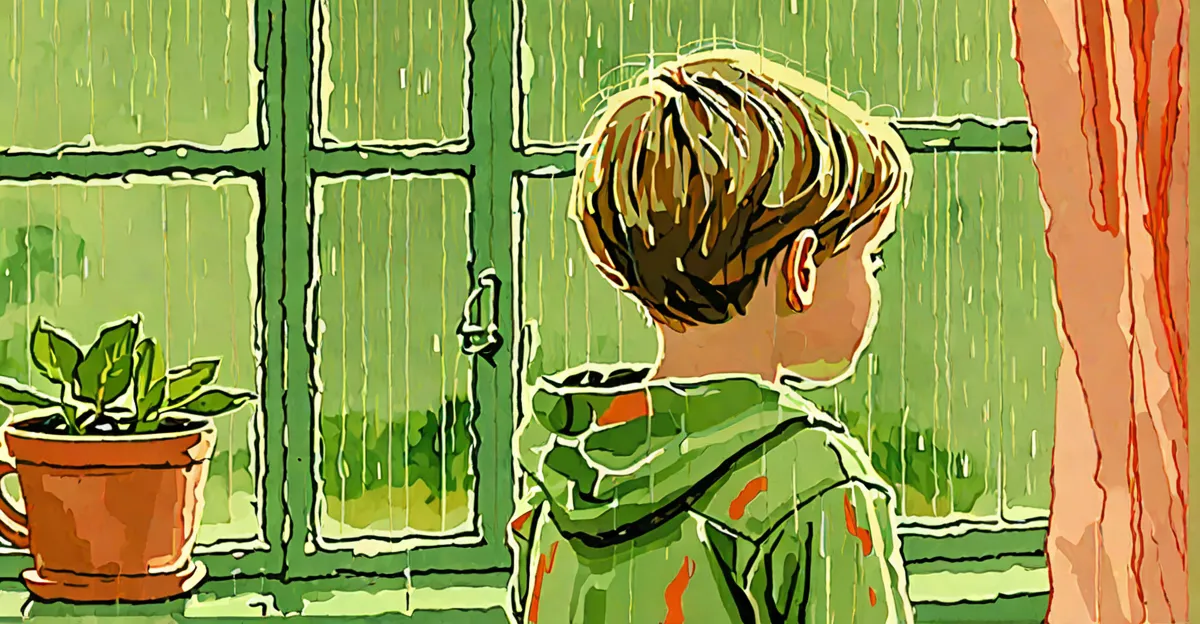
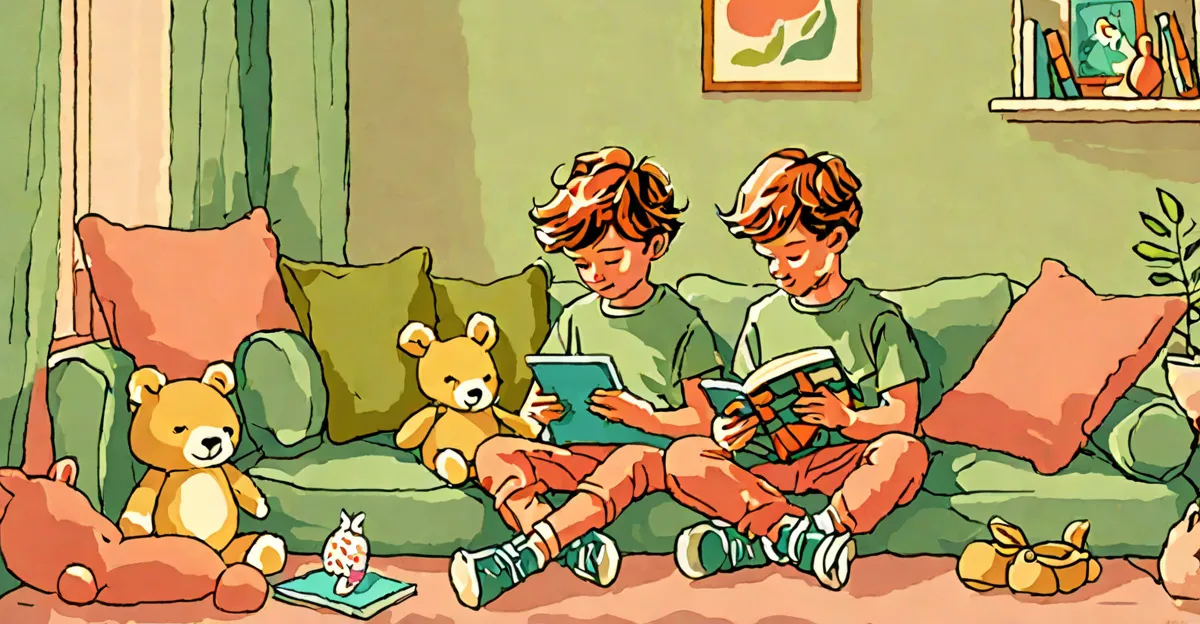
Tears at the door, a knot in your stomach on the way to work, checking your phone every half hour. The first days at nursery are a trial not only for the child, but for the parent too. The good news: it’s a process you can get through calmly.
Settling in is not an exam you can “fail.” It’s a natural stage in which a child learns a new place, new people and — above all — that parting from a parent is not parting forever. As an educational psychologist, and as someone who has accompanied families through these first weeks for years, I want to show what is really going on in a little one’s head, what helps, what is best avoided, and when the situation deserves a closer look.
In short — the key points
- For a small child, separation is an enormous change; the certainty that “my parent will come back” is built through repeated experience, not through explanation.
- The key ingredient of successful settling in is a sense of safety and predictability, not speed.
- A short, cheerful goodbye and a punctual return work better than a drawn-out “just one more minute.”
- Crying while settling in is the norm; it usually stops a few minutes after the parent leaves.
What is really going on in a little one’s head
For a small child, separation from a parent is an enormous change. At this age a toddler is only just learning that when mum or dad disappears behind a door, they haven’t disappeared forever — they will come back. That certainty can’t be conveyed in words; a child builds it through experience, day after day: “my parent left and came back, left and came back.” That’s why the key ingredient of successful settling in is repetition and a sense of safety, not speed.
Crying at separation is not a sign that a child is being harmed. It’s the healthy reaction of an attached toddler signalling: “I’d rather be with you.” Our task is not to make sure that crying never happens, but to help a child move through it feeling safe and knowing their parent will return.
Settling in at the child’s pace — how it works in practice
At the nursery I run, we introduce a little one gradually, at their own rhythm and with the parent’s support. Usually the first days are short and often with a familiar adult nearby, and the time spent in the group lengthens slowly as the child starts to feel more confident. There is no single schedule that suits everyone — some children need a week, others several. Rushing usually lengthens the process rather than shortening it.
It also helps to gently introduce the subject at home beforehand: talking about nursery in a positive tone, playing “nursery,” getting to know the place and the staff before the first day. A child who knows where they’re going and who will look after them starts out with a greater sense of safety.
What helps — small things that work
- A short, cheerful goodbye — a drawn-out “just one more minute” heightens anxiety. Better to hug, say when you’ll be back, and leave calmly.
- A fixed goodbye ritual — the same gesture, the same words, a “bye-bye through the window.” Predictability soothes.
- A favourite cuddly toy or something “from home” — a small object that smells of safety.
- A punctual return — when we promise “I’ll come after afternoon snack,” let’s keep our word. That’s how trust grows.
- A calm parent — children read our emotions. If we’re shaken, our toddler will sense it.
- Good cooperation with the staff — ask how the day went; carers will most often confirm that the crying stopped a few minutes after you left.
What to avoid
- Slipping away without a goodbye “so they don’t cry” — it undermines trust; a child learns that a parent can vanish without warning.
- Feeding your guilt — settling-in tears are not a sign that “we’re harming our child,” but a natural stage of learning to separate.
- Comparing with other children — the fact that your neighbour’s child “settled in within three days” says nothing about your little one.
- Making promises we won’t keep — such as “I’ll be back in a minute” when we’re leaving our child for several hours.
When to look more closely
A few tears, some sadness or a temporary regression (going back to a bottle, sleeping worse) in the first weeks is within the norm. If, however, after a longer time your child is still deeply distressed, stops eating or sleeping, withdraws, or something simply worries you as parents — it’s worth talking to the staff and to a psychologist. Sometimes a small change in the daily rhythm or in the way you say goodbye is all it takes to get things moving.
And finally, what I tell parents most often: trust yourselves and trust the process. A child who has a secure base at home will sooner or later feel safe at nursery too. The first goodbye is hard precisely because the bond between you is so strong — and that bond is the best thing you can give your child for the start.
Frequently asked questions (FAQ)
How long does settling into nursery take?
It’s highly individual. Some children need a few days, others a few weeks. The pace depends on the child’s temperament, their earlier experiences of separation, and the parent’s calm. Rushing usually lengthens the process, so it’s worth giving a child as much time as they need.
How do I prepare my child for nursery before the first day?
Talk about nursery in a positive tone, play “nursery,” and if possible visit the place and meet the carers. Try also to keep a fairly steady daily rhythm close to the nursery one. A child who knows what to expect feels more confident.
Is it normal for a child to cry at separation?
Yes. Settling-in crying is the healthy reaction of an attached child and usually stops a few minutes after the parent leaves. What should concern you is only very intense crying that persists for many weeks, combined with refusing food or sleep.
Is it better to slip away quietly or to say goodbye?
Always say goodbye — briefly and calmly. Slipping away without a word may spare some tears in the moment, but it undermines a child’s trust and makes them start watching their parent, afraid of a sudden disappearance.
About the author

Anna Czupryn — educational psychologist, hand therapist and a certified Smyko-Multisensoryka® facilitator (a Polish multisensory development programme). Owner of the AniMiś Nursery in Wierzbin, Poland, and of the AniMiś Sensory Integration Centre. For eighteen years she has supported children’s development and accompanied families through everyday parenting challenges.
This text was written for Dzieckologia as a practitioner’s voice — from the perspective of an institution that accompanies families through the first goodbye every year.
This article is educational and informational in nature and does not replace an individual consultation with a child psychologist, a speech and language therapist or a sensory integration therapist. If you notice worrying symptoms, consult a specialist.
Author
Anna Czupryn
Tags:
Like this topic?
💛 Browse all "Emotions" articles